The 30-Year Project: USA Esports Launches to Unify a Fragmented Wild West
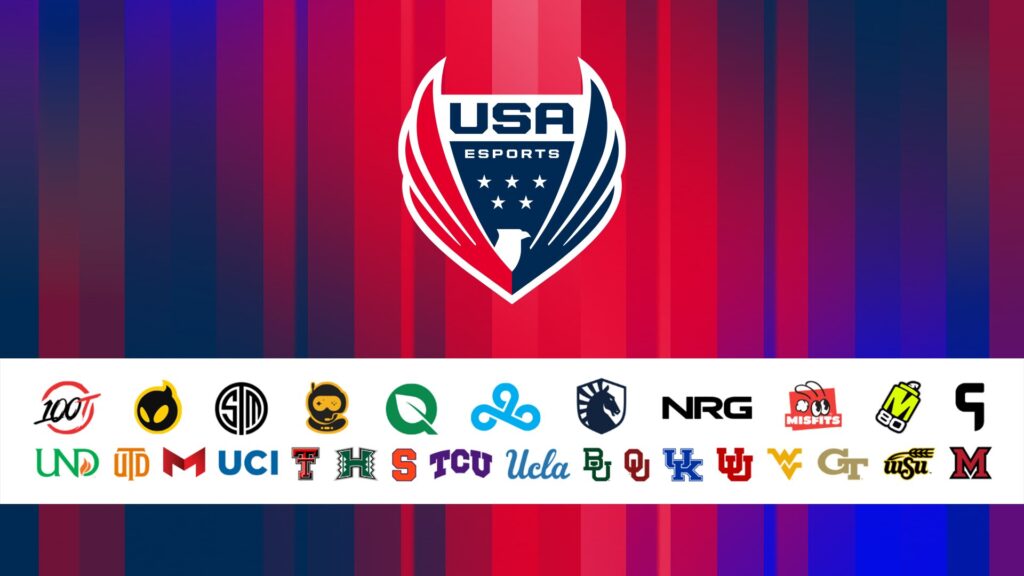
LOS ANGELES — For decades, the American esports scene has operated like the digital “Wild West.” Fragmented leagues, disconnected collegiate programs, and a lack of centralized standards have left the United States—the world’s largest gaming market by revenue—lagging behind the state-backed ecosystems of Asia and Europe.
That changed on March 17, 2026. With the official launch of USA Esports, the nation finally has a non-profit “purpose-built” entity aiming to become the National Governing Body (NGB) for competitive gaming. Inspired by the structures of USA Basketball and U.S. Soccer, this move isn’t just about winning trophies; it’s about institutional legitimacy.
1. From K-12 to Gold Medals: The Grand Mission
Led by President & CEO Jesse Bodony and President of Esports Operations Daniel Clerke, USA Esports is moving beyond the role of a mere tournament organizer. Their mission is a “cradle-to-pro” pipeline designed to protect and promote athletes at every stage:
-
Professional Tier: Streamlining elite competition and representing Team USA on the global stage, including the upcoming Esports Nations Cup.
-
Collegiate & K-12: Implementing standardized safety, training, and ethical protocols that have historically been absent.
-
Institutional Legitimacy: Seeking official recognition from the U.S. Olympic and Paralympic Committee (USOPC) to solve long-standing administrative hurdles like the P-1 athletic visa crisis.
“It’s a 30-year project,” the leadership team noted. “If we do it right, it will outlive us.”
READ ALSO: LPL and CBLOL Defy Gravity While LCP’s Audience Vanishes in Structural Chaos
2. The “Athlete-First” Board: Legends at the Table
To avoid the “corporate disconnect” that has plagued previous attempts at governance, USA Esports has committed to a model where one-third of every committee consists of active or former athletes. The inaugural Board of Directors reads like a “Who’s Who” of gaming history:
-
Søren “Bjergsen” Bjerg: The legendary League of Legends icon and former TSM cornerstone.
-
Jordan “n0thing” Gilbert: The “founding father” of modern North American Counter-Strike.
-
Heather “sapphiRe” Mumm: A world-champion CS player and pioneer for inclusivity in gaming.
-
Mirna “athxna” Noureldin: A prominent voice and competitor from the VALORANT scene.
According to Esports Charts (https://escharts.com/), the inclusion of these veterans has been the single most effective move in securing community trust. On platforms like Reddit and X, fans have expressed that these names serve as a “firewall” against the potential “traditionalization” of the sport.
READ ALSO: First Stand 2026 Debuts with Massive 27% Viewership Surge as BLG Survives Opening Scare
3. The Powerhouse Alliance: A United Front
The launch is anchored by the USA Esports Alliance, a coalition that unites the biggest names in the business with top-tier academic institutions.
| Sector | Founding Members / Partners |
| Professional Clubs | Team Liquid, Cloud9, TSM, 100 Thieves, NRG, FlyQuest, M80, Dignitas, Spacestation Gaming |
| Academic Institutions | UCLA, University of Kentucky, TCU, Georgia Tech |
By bridging the gap between the university chancellors and the owners of million-dollar pro teams, USA Esports hopes to create a unified ecosystem that can finally compete with the government-supported programs in the Middle East and Asia-Pacific.
READ ALSO: NS RedForce Seals Absolute Triumph in Santiago: Paper Rex Falls in Shocking 3:0 Sweep
4. Market Reality: Why Now?
The timing of this launch is no coincidence. In 2026, the global esports audience is projected to reach 640.8 million viewers, with the U.S. market alone valued at over $1.07 billion.
Data from Esports Charts highlights a significant shift in how fans consume content. Co-streaming now boosts tournament viewership by an average of 28%, and mobile esports has fully integrated into traditional sports structures. For the U.S. to maintain its 18.7% user penetration rate, it needs the structural stability that an NGB provides—especially with the LA26 Global Esports Games on the horizon.
5. Community Sentiment: Hope vs. Skepticism
While the industry is celebrating, the “hardcore” community remains watchfully optimistic. The primary concern is whether a federally recognized body can maintain the grassroots agility that made esports a global phenomenon.
However, the “visa problem” remains the strongest argument for this federal push. For years, international stars have struggled to enter the U.S. for tournaments due to outdated immigration categories. If USA Esports achieves NGB status, it could potentially unlock a more streamlined “Athlete Visa” process, making the U.S. the premier destination for global events once again.
Conclusion: The Foundation is Laid
The launch of USA Esports marks the end of the “Wild West” era and the beginning of the “Institutional Era.” By focusing on safety, a clear pathway for youth, and athlete representation, the organization is laying the groundwork for a healthier, more sustainable industry.
The transition from a speculative, venture-capital-driven market to a mature, federally-backed ecosystem won’t happen overnight. But with legends like Bjergsen and n0thing at the helm, the “30-year project” is off to a legendary start.
Source Data:
-
Esports Charts (https://escharts.com/)
-
USA Esports Official Launch Announcement (March 2026)
-
USOPC Governance Guidelines 2026
Leave a Comment